

Discover 50 meaningful one-on-one activities to strengthen your bond with your child, as well as practical tips for busy parents to make special time together happen consistently. Raising one with love provides research-backed advice for creating lasting memories.
Why one-on-one time matters more than you think
The day I realized how much my son craved individual attention is etched into my memory. We were at the playground, surrounded by other families, when he tugged at my sleeve and whispered, “Dad, can we go somewhere where it’s just us?” That simple question hit me like a ton of bricks. Despite spending plenty of time together as a family, my son was hungry for moments that were exclusively ours, time when he didn’t have to share my attention with anyone else.
Research confirms what my son instinctively knew: one-on-one time between parent and child creates profound benefits that extend far beyond the moments spent together. A 2023 study published in the Journal of Child Psychology found that just 10-15 minutes of daily undivided attention significantly improves children’s emotional regulation, reduces behavioral problems, and strengthens the parent-child relationship. For busy parents juggling work, household responsibilities, and often multiple children, these findings offer both reassurance and motivation, even small pockets of dedicated time make a meaningful difference.
As both a parent and someone who’s is passionate about scientific research of child development, I’ve come to understand that the quality of our interactions matters just as much as the quantity. The magic happens when we step away from distractions and daily routines to connect intentionally with our children. These moments allow us to truly see them, understand their evolving interests and concerns, and build the trust that forms the foundation for open communication throughout their lives.
If you’re looking to establish a regular one-on-one routine or seeking fresh ideas to revitalize your special time together, this comprehensive guide offers practical suggestions for meaningful connection, regardless of your child’s age, your schedule constraints, or your budget. I’ve drawn from research, expert recommendations, and the real-world experiences of dozens of parents to compile activities that create lasting memories and strengthen your unique parent-child bond.
Setting the stage for meaningful connection
Before diving into specific activities, understanding how to create the right environment for quality one-on-one time will help maximize these precious moments:
Be fully present. The single most important element of effective one-on-one time is your undivided attention. Put away your phone, turn off notifications, and resist the urge to multitask. It happened that he told me “mom I don’t like when you are on your phone when you are with me”, this was for me the point I realized that he actually notices that I am not fully present when we play together.Children can sense when you’re mentally elsewhere, and research shows that phone interruptions significantly reduce the emotional benefit of parent-child interactions. Now, when I’m with my son, I’ve made it a habit to put my phone in a drawer or leave it in another room entirely.
Follow their lead: One-on-one time works best when children have agency in choosing activities. Developmental psychologist Dr. Lawrence Cohen explains that child-led play helps children process their experiences and builds their sense of competence. I’ve noticed that when I let my son direct our activities, he’s more engaged and open in his communication.
Create a regular rhythm: Children thrive on predictability. Having scheduled one-on-one time creates security and gives them something to look forward to. In our family, Mondays are “Dad/son time”, I get the fridays after school. This is a protected space in our calendar that rarely gets rescheduled. The consistency has made these sessions a treasured tradition for both of us. Of course this is not obvious for working parents, but 1 to two hours during the weekend that are dedicated to the child don’t hurt.
Set reasonable expectations: Quality connection doesn’t require elaborate outings or perfect execution. Child psychologist Dr. Tina Payne Bryson emphasizes that brief but regular “connection points” throughout the week are more beneficial than occasional grand gestures. Some of our most meaningful conversations have happened during simple 15-minute walks around the neighborhood, or walking to school in the morning.
Manage distractions effectively: If younger siblings might interrupt, consider arranging reciprocal childcare with your partner or scheduling one-on-one time during naps. For single parents, creativity becomes essential, perhaps trading childcare with another parent or utilizing family support. The key is creating a space where both you and your child can focus on each other.
50 one-on-one time activities for every age and interest
These activities are organized by category to help you find options that match your child’s interests and developmental stage. They are based on my research over time when I was stuck and not knowing what to do with my boy at home or even outdoor. The beauty of one-on-one time is its flexibility, you can adapt most activities to suit children of different ages and abilities.
Nature-based connections (Perfect for active kids)
- Neighborhood nature scavenger hunt. Create a list of items to find (something red, something smooth, a Y-shaped stick) and explore together. This activity encourages observation skills and provides natural conversation starters. My son and I photograph our findings and keep a digital “nature journal” of our discoveries. He actually got his own camera on his birthday so we made it useful.
- Stargazing with hot chocolate: Grab blankets and head outside after dark to identify constellations or simply watch for shooting stars. The quiet darkness often encourages deeper conversations. We use a simple star identification app that makes finding constellations achievable even for beginners. We use a star finder app: Star Walk 2, you can also use sky guide app. If you look for an upgrade you can use celestron SkyMaster Binoculars (15×70 or 20×80), they are beginner-friendly astronomy binoculars that offer wide views of the night sky without the complexity of a telescope. They’re perfect for families or couples enjoying stargazing casually.


- Plant and maintain a small garden plot. Plant flowers, vegetables, or herbs, caring for plants together to create an ongoing project to share. My son takes tremendous pride in taking care of his own garden corner, It also gives him a sense of responsibility. We spent time decorating his garden corner with stones and other decoration items to make it special and personalized
- Bird watching expedition: Equip yourselves with binoculars and a field guide (or app) and spend time identifying local birds. This patience-building activity creates natural moments of quiet observation interspersed with excited discoveries.
- Creek or beach exploration: When we go on beach vacation. This is the ritual: Wading in shallow water looking for interesting rocks, shells, or tiny creatures. These sensory-rich environments naturally slow down the pace and encourage curiosity. Some of our most relaxed conversations happen while sitting on rocks with our feet in the water.
What not to forget:
- Mesh Beach Bag or Shell Collection Bag , easy to carry wet or sandy treasures
- Waterproof Water Shoes to protect your feet from sharp rocks and slippery surfaces while allowing you to explore freely in water
- Collapsible Bucket or Magnifying Viewer, for examining little creatures up close (kids love this!)
- A camera to take some pictures


- Seasonal nature art: Collect fallen leaves, pine cones, or flowers to create temporary mandalas or pictures. This combines creativity with appreciation for natural materials and changing seasons. We photograph our creations before leaving them behind.
- Local hiking adventure: Explore a nearby trail, adjusting the length and difficulty to match your child’s abilities. The rhythmic movement of walking often makes conversation flow more naturally. We bring a small backpack with snacks and water to create rest points along the way.
- Fishing expedition: Even if you don’t catch anything, the quiet patience required creates a peaceful bonding experience. My son enjoys the ritual of preparing the equipment almost as much as the fishing itself. There were times I had to manage the frustration when we dont catch anything. I started to prepare then the expedition differently without creating the expectation of fishing, rather enjoying the nature and the fishing would be a nice to have.
- Cloud watching. Lie on your backs and find shapes in the clouds, encouraging imagination and storytelling. This zero-cost activity can be done almost anywhere and creates a peaceful pause in busy days.
- Build and maintain a birdhouse or feeder. Creating habitat for wildlife gives children a sense of contribution to the natural world while providing ongoing observation opportunities. We keep a log of the different birds that visit our feeder.
Creative Expressions (For imaginative souls)
- Create a comic book together. Develop characters and a simple storyline, then illustrate your adventure. This activity builds narrative skills while creating a keepsake. My son prefers to dictate the story while I sketch, then he adds color and details. And it is always around soccer players, so you can adapt to your child interests.
- Sidewalk chalk masterpieces. Transform your driveway or sidewalk into a canvas for hopscotch, mazes, or imaginative scenes. The temporary nature of chalk art encourages experimentation and reduces perfectionism.
- DIY slime or playdough creation. Follow simple recipes to make tactile play materials, experimenting with colors and scents. The sensory aspects of this activity are especially engaging for younger children or those who process through touch.
- Cardboard box transformations. Convert empty boxes into cars, spaceships, or houses using basic craft supplies. This open-ended activity encourages problem-solving and imaginative play. Some of our cardboard creations have remained in play for weeks.
- Photography walk. Give your child a camera (or your phone) and explore your neighborhood looking for interesting shots. This activity helps children develop a unique perspective and appreciation for details. We create simple photo books from our favorite images.
- Puppet making and show production. Create simple puppets from socks or paper bags, then develop and perform a short show. This combines crafting with storytelling and dramatic play. My son loves when we record the performances to share with family members.
- Collaborative painting. Work together on the same canvas, taking turns adding elements to create a unified piece. This requires communication and compromise, building important social skills alongside creativity.
- Create a family newsletter: Interview family members, write short articles, and design a simple layout to share with extended family. This builds writing and design skills while creating a meaningful record of family life.
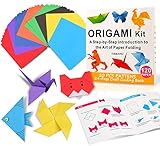
- Learn origami together: Follow online tutorials to create increasingly complex paper creations. This activity builds fine motor skills, patience, and attention to detail. We display our successful creations and laugh about our less successful attempts.
- Write and illustrate a short story: Develop characters based on your child’s interests and create a simple narrative together. This creates a personalized keepsake while building literacy skills. My son treasures the stories we’ve created featuring him as the main character.



Culinary Adventures (For Food-Loving Kids)
- Bake and decorate cookies: This classic activity combines following instructions with creative expression. The structured yet creative nature of baking makes it particularly suitable for children who thrive on clear processes with room for personalization.
- Create a custom pizza. Start with dough (store-bought or homemade) and let your child experiment with toppings. This provides ownership over food choices and introduces concepts of balance and combination. We hold regular “pizza invention nights” where unusual toppings are encouraged.
- Plan and prepare a family meal together. Let your child select recipes, shop for ingredients, and take the lead in preparation. This builds planning skills and creates pride in contributing to the family. My son enjoys setting a special table with place cards when he’s been the meal planner.
- Have a tasting experiment. Try different varieties of one food (various apples, chocolates, or cheeses) and discuss the differences. This builds vocabulary and sensory awareness. We create simple rating cards with categories like sweetness, texture, and overall preference.
- Create a themed restaurant at home. Develop a simple menu, prepare one special dish, and serve it with restaurant flair. This combines creativity with practical skills. My son enjoys making menus with crayon illustrations and taking my “order” with great seriousness.
- Make homemade ice cream or popsicles. Experiment with flavors and enjoy the anticipation of the freezing process. This activity combines science concepts with culinary creativity. We’ve created a “flavor journal” documenting our successes and less successful experiments.
- Pack a special picnic. Plan, prepare, and enjoy a meal in a park or even your backyard. The change of environment makes ordinary foods feel special. We use a checklist to make sure we remember essentials like napkins and water.
- Create a custom trail mix. Select and combine various nuts, dried fruits, and treats to create a personalized snack. This introduces concepts of balance and preference while creating something to enjoy together. My son enjoys packaging small portions to share with friends or teachers.
- Learn to make a family recipe. Connect with cultural heritage by teaching a recipe passed down through generations. This creates continuity and helps children understand their place in family history. We’ve recorded video of my mother teaching us family recipes to preserve these traditions.
- Hold a “chopped” challenge. Provide a few ingredients and challenge each other to create something delicious. This builds creativity and flexibility in the kitchen. We keep the challenges appropriate to my son’s skill level but always include one surprise ingredient.


Learning adventures (For curious minds)
- Visit a local museum during quiet hours. Explore exhibits at your child’s pace, following their interests without crowds. Many museums offer reduced admission during less busy times. We bring a notebook to sketch interesting objects or write questions to research later.
- Conduct simple science experiments. From baking soda volcanoes to growing crystals, hands-on experiments build scientific thinking. We keep a simple “lab notebook” recording our hypotheses, observations, and conclusions.

- Learn about another culture through books, cooking, and music. Select a country to explore through multiple senses and activities. This builds global awareness and appreciation for diversity. We place a pin on our world map for each culture we’ve explored together.
- Create maps of your neighborhood or favorite places. This develops spatial awareness and observation skills while creating a personalized record of important locations. My son enjoys adding illustrative details like “where we saw the fox” or “best climbing tree.”
- Visit the library and explore books on a shared interest. The quiet environment encourages focused conversation about discoveries. We each select books for ourselves and books we think the other person might enjoy, which helps us learn about each other’s evolving interests.
- Practice a new language together. Learn basic vocabulary related to your child’s interests using apps or online resources. This creates a special “code” between you while building cognitive skills. We focus on food words, animal names, and basic courtesies.
- Research your family history. Interview relatives, look at old photographs, or use ancestry websites to explore your roots. This helps children understand their place in a larger familial context. We’ve created a simple family tree that my son continues to add to as he learns about relatives.
- Build with construction toys. Create structures using building blocks, magnetic tiles, or construction sets. This develops spatial reasoning and problem-solving skills. I’ve found that building alongside my son (rather than directing his building) leads to more creative collaboration.
- Learn a new skill together via online tutorials. Whether it’s juggling, origami, or magic tricks, learning something new together puts you both in a growth mindset. Being beginners together creates vulnerability that strengthens connection.
- Create and solve riddles or puzzles. Develop thinking skills through creating challenges for each other. This builds cognitive flexibility and perspective-taking abilities. We keep a small notebook of riddles we’ve created and solved together.
Physical Activity (For energy release)
- Go on a bike ride together. Explore bike paths or quiet streets at a leisurely pace. The parallel movement creates natural conversation opportunities without the pressure of face-to-face interaction. We often stop at interesting spots along the way for short breaks and observation.
- Have a dance party for two. Take turns selecting music and teaching each other moves. This combines physical activity with cultural exchange across generations. My son enjoys teaching me the latest playground dance trends, often with great hilarity at my attempts.
- Try geocaching in your area. Use smartphone apps to find hidden treasures in your community. This combines technology with outdoor exploration and creates a treasure-hunt atmosphere. We keep a small bag of trinkets to exchange when we find caches.
- Create a backyard obstacle course. Use household items to design physical challenges. This builds gross motor skills while creating opportunities for encouragement and celebration. We time ourselves and try to improve our personal bests rather than competing against each other.
- Learn basic yoga or stretching together. Follow child-friendly videos focusing on animal poses and movement. This introduces mindfulness and body awareness in an accessible way. My son especially enjoys partner poses that require us to balance together.
- Have a water balloon or snowball “battle.” Seasonal play that involves physical activity and friendly competition. These activities often lead to spontaneous laughter and play regression for parents, which children absolutely delight in witnessing.
- Go bowling or mini-golfing. These accessible activities combine skill-building with turn-taking and friendly competition. We focus on improvement over competition, celebrating when either of us does well.
- Learn to throw a frisbee or fly a kite. Simple outdoor skills that require practice and create a sense of accomplishment. These activities teach persistence as mastery develops gradually with practice.
- Have an indoor camping adventure. Build a fort, use flashlights, and tell stories in your living room. This creates a special environment for imagination and conversation. My son often shares thoughts during these “camping trips” that don’t emerge in regular conversation.
- Create a backyard water play zone. Simple sprinklers, buckets, and sponges provide cooling fun on hot days. The sensory nature of water play often reduces inhibitions and creates joyful connection. We’ve found that water play naturally extends our time together as neither of us wants the experience to end.
Making one-on-one time happen (Even when life gets busy)
Understanding the importance of one-on-one time and having a list of activities is one thing,actually making it happen consistently is another challenge entirely. Here are practical strategies for overcoming common barriers:
Start small but consistent. Child development expert Dr. Becky Bailey recommends beginning with just 10 minutes of fully present time daily. This modest commitment is achievable even on busy days and can be expanded when possible. I’ve found that setting a timer actually helps me remain fully present rather than checking the clock.
Schedule it like any other important appointment. Block time on your calendar specifically for one-on-one activities. Research shows that scheduled activities are far more likely to happen than those left to “when we have time.” Sunday evenings work well for our family planning session where we identify specific times for one-on-


